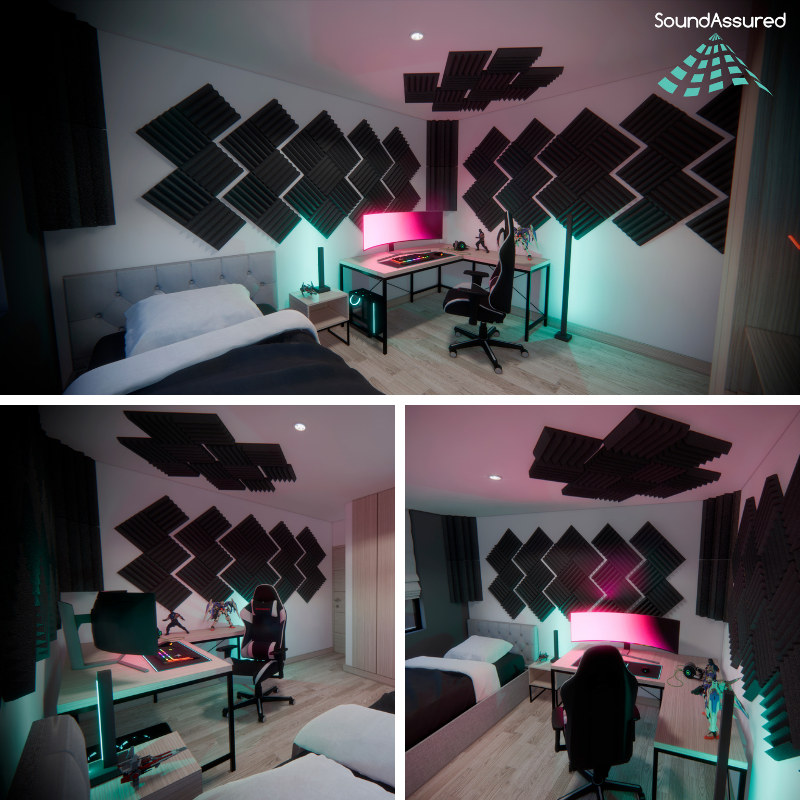
Eliminate Echoes: Essential Acoustic Treatment for Gaming Rooms
In the high-stakes world of competitive gaming and immersive single-player experiences, every detail matters. While powerful PCs, lightning-fast internet, and ergonomic peripherals often take center stage, there's an unsung hero that dramatically impacts your gameplay and communication: sound. Specifically, the acoustics of your gaming room. Without proper gaming room acoustic treatment, even the most expensive headset or speaker system will struggle to deliver its full potential, leading to muddy audio, distracting echoes, and a less immersive experience. It's time to silence the sonic distractions and transform your gaming space into an auditory sanctuary.
Whether you're strategizing with teammates, identifying enemy footsteps, or simply enjoying the rich soundscape of a new title, clear and precise audio is paramount. This comprehensive guide will walk you through the fundamentals of sound in a room, the essential materials for effective acoustic treatment, and how to strategically implement them to achieve superior sound clarity and an unparalleled gaming atmosphere. Let's dive in and unlock the true sound potential of your setup.
Understanding Sound in Your Gaming Environment
Before we can treat sound, we need to understand how it behaves within a confined space like your gaming room. When a sound wave is produced—whether it's from your speakers, headset, or even your own voice—it travels through the air until it encounters a surface. The nature of that surface dictates its next move:
- Reflection: This is the primary culprit behind echoes and excessive reverberation. Hard, flat surfaces like drywall, bare concrete, hardwood floors, and glass windows act like sonic mirrors, bouncing sound waves directly back into the room. These reflections overlap with the original sound, creating a muddled, less distinct audio experience.
- Absorption: The opposite of reflection, absorption occurs when sound waves hit soft, porous materials. These materials, such as acoustic foam, dense fabric panels, thick rugs, and heavy curtains, convert sound energy into a tiny amount of heat energy, causing the sound to dissipate rapidly. The goal of effective gaming room acoustic treatment heavily relies on strategic absorption to reduce unwanted reflections.
- Diffusion: While absorption reduces sound energy, diffusion aims to scatter it. When sound waves encounter uneven surfaces—like a specialized acoustic diffuser, a densely packed bookshelf, or even irregular wall art—they are broken up and spread in multiple directions. This process helps to eliminate harsh echoes while maintaining a sense of "liveness" in the room, making it sound larger and more natural without being overly deadened.
Understanding these three behaviors is the foundation for creating a perfectly tuned gaming environment, allowing you to hear every critical detail with crystal clarity.
Why Gaming Room Acoustic Treatment is a Game-Changer
Investing in acoustic treatment for gaming rooms isn't just about making things sound "nicer"; it's about gaining a competitive edge, enhancing immersion, and even improving your overall well-being during long gaming sessions. Here’s why it's a critical upgrade:
- Crystal-Clear Communication: For multiplayer gamers, clear communication is non-negotiable. Poor room acoustics mean your microphone picks up echoes and reverberations from your own voice, making you sound distant or unclear to teammates. With proper treatment, your voice will be crisp and intelligible, ensuring your calls are heard accurately in the heat of battle.
- Enhanced Immersion: Imagine playing a horror game and actually feeling the subtle creaks and whispers around you, or a vast open-world RPG where the environmental sounds truly transport you. Acoustic treatment eliminates distracting reflections that can pull you out of the experience, allowing you to fully appreciate the intricate sound design of your favorite titles.
- Competitive Advantage: In games where sound cues are vital—like footsteps in a first-person shooter or ability prompts in an MOBA—a well-treated room helps you pinpoint sounds with greater accuracy. You'll react faster and more confidently, giving you an edge over opponents who might be battling confusing echoes.
- Reduced Auditory Fatigue: Constantly processing muddled, reverberant sound can be exhausting for your ears and brain. By cleaning up your room's acoustics, you reduce the strain, allowing for longer, more comfortable gaming sessions without the headache-inducing cacophony.
- Professional Stream Quality: If you stream your gameplay, gaming room acoustic treatment is arguably as important as your camera and microphone. Viewers expect high-quality audio, and treating your room ensures your voice is front and center, free from distracting echoes, making your streams more engaging and professional.
Essential Materials for Effective Gaming Room Acoustic Treatment
Achieving optimal sound in your gaming space involves a strategic combination of materials. Here’s what you’ll need to consider:
- Acoustic Panels: These are the workhorses of sound absorption. Available in various sizes, thicknesses, and finishes, acoustic panels are designed to trap sound waves and convert their energy.
- Foam Panels: Often a budget-friendly entry point, acoustic foam is effective for mid-to-high frequency absorption. However, its effectiveness drops off at lower frequencies.
- Fabric-Wrapped Panels: Typically made from compressed mineral wool or fiberglass, these panels offer superior broad-spectrum absorption, including some low-end frequencies, and are often more aesthetically pleasing. Look for panels with a high Noise Reduction Coefficient (NRC) rating for maximum effectiveness.
- Bass Traps: Often overlooked in smaller rooms, bass traps are crucial for managing low-frequency sound waves. Bass frequencies tend to build up in corners, creating a booming, muddy sound that can obscure other audio details. Bass traps, often triangular or cylindrical in shape, fit snugly into room corners to absorb these troublesome low-end frequencies, providing a tighter, more defined bass response.
- Diffusers: While absorbers reduce sound, diffusers scatter it. These uneven surfaces prevent echoes without making the room sound overly "dead." Diffusers are excellent for maintaining a sense of spaciousness and liveliness, particularly in smaller rooms where too much absorption can make the space feel anechoic. Beyond dedicated diffusers, even a well-stocked bookshelf can provide some natural diffusion.
- Soft Furnishings & Everyday Items: Don't underestimate the power of common household items.
- Thick Area Rugs: A plush rug on a hard floor can significantly reduce floor-to-ceiling reflections.
- Heavy Curtains: Replacing thin blinds with thick, floor-to-ceiling curtains over windows adds substantial absorption and can block some external noise.
- Upholstered Furniture: Sofas, armchairs, and even beanbags contribute to overall room absorption, especially compared to hard office chairs or desks.
Strategic Placement: Where and How to Install Your Treatment
The effectiveness of your gaming room acoustic treatment isn't just about what materials you use, but where you put them. Strategic placement is key:
- First Reflection Points: These are the most critical areas to treat. First reflection points are the spots on your walls and ceiling where sound from your speakers (or headphones, if you play with open-back ones) bounces directly to your ears. To find them, sit in your gaming chair and have a friend hold a mirror flat against your wall and ceiling surfaces. Wherever you can see your speakers in the mirror, that's a first reflection point. Install acoustic panels at these locations.
- Wall Coverage: After the first reflection points, aim for general absorption on parallel walls to combat flutter echoes. A common recommendation is to treat 15-25% of your room's total wall surface area, distributed evenly. Don't forget the wall behind your monitor/speakers to prevent reflections bouncing back into your microphone.
- Corners for Bass Traps: As mentioned, bass frequencies accumulate in corners. Install bass traps vertically in the tri-corners (where two walls and the ceiling/floor meet) and wall-to-wall corners. Even just treating the two corners behind your monitor can make a noticeable difference.
- Ceiling Panels: The ceiling is often a large, untreated reflective surface. Placing an acoustic panel directly above your listening position (a ceiling cloud) or at the ceiling's first reflection points can dramatically improve clarity.
- Windows & Doors: Windows are highly reflective. Heavy, thick curtains are essential here. For doors, if you're experiencing sound leakage (more on soundproofing below), consider adding a sweep or weatherstripping, and a dense panel on the inside can help with reflections.
- Floor: If you have hard flooring, a thick area rug beneath your gaming chair and desk is indispensable for absorbing floor reflections.
For more detailed step-by-step instructions on installation and finding specific reflection points, be sure to check out our guide on Optimize Your Gaming Sound: A Guide to Acoustic Treatment Setup.
Beyond the Basics: Streaming and Soundproofing Considerations
While gaming room acoustic treatment primarily focuses on improving sound *within* your room, there are other factors to consider, especially for streamers or those sensitive to external noise.
- Acoustic Treatment for Streamers: If you stream, your microphone is picking up everything in your room. Effective acoustic treatment ensures your voice is clear and prominent, minimizing room reflections and external sounds that might otherwise be captured. Consider placing a small acoustic panel directly behind your monitor or microphone setup to absorb reflections originating from your voice, further enhancing vocal clarity for your audience.
- Acoustic Treatment vs. Soundproofing: It's crucial to understand the difference. Acoustic treatment improves the sound quality *inside* your room by controlling reflections, absorption, and diffusion. Soundproofing, on the other hand, aims to block sound from entering or leaving a room. If you're bothered by street noise, a noisy family, or if you need to prevent your intense gaming sessions from disturbing others, you'll need soundproofing measures in addition to acoustic treatment. For a deep dive into this distinction and what it means for gamers, read our article: Acoustic Treatment vs. Soundproofing: What Gamers Need to Know.
Conclusion
The journey to superior sound in your gaming room is an exciting one that yields tangible benefits. By understanding how sound interacts with your space and strategically applying a combination of absorption and diffusion, you can transform a echo-filled chamber into an acoustically optimized haven. From enhancing team communication and boosting immersion to providing a competitive edge and reducing auditory fatigue, the advantages of effective gaming room acoustic treatment are undeniable. Take the first step today, eliminate those distracting echoes, and immerse yourself fully in the rich, precise soundscapes your games were meant to deliver.